

Building Science: Systems and Tools to Meet the 2030 Challenge

Contributor: Don Kranbuehl, FAIA

Architects are realizing the 2030 Challenge is no longer just about tracking predicted Energy Use Intensity (pEUI) and operational carbon (the carbon emitted from building mechanical systems). In the next 10 years, it will be critical to also make great strides in reducing embodied carbon (the carbon emitted from the interior and exterior materials that are used to construct buildings). Embodied carbon emissions make up a large amount of greenhouse emissions from the built environment and have greater potential to have an immediate impact on reducing the effects of climate change. Overall, building energy sources and their materials account for nearly 40% of all global emissions. However, over the next 10 years, approximately 72% of the carbon emitted from new construction will be from embodied carbon. Those metrics alone make it undeniable that as designers, we have a role and responsibility to mitigate environmental impacts by working with nature to develop resilient, sustainable, low carbon projects.

More »
Capturing the Architect’s Voice: An Oral History of Virginia Architects

Contributor: Bryan Clark Green, Ph. D.

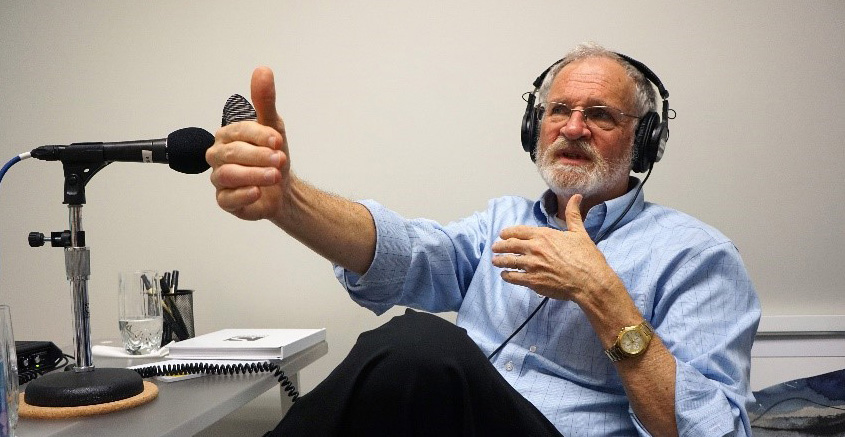
Capturing the Architect’s Voice is an oral history project designed to address one common question: what is it like to be an architect in Virginia? By recording conversations with architects (and others in related professions) at various stages of their careers, this project proposes to assemble a collection of interviews with the community of Virginians who earn their livelihood by designing, constructing, and caring for buildings. Interviews are conducted with architects of different backgrounds and experience, ranging from students currently in architecture school, to those in the early stages of their practice, to mid-career architects, and those who have retired from the profession. When possible, engineers, developers, and preservationists are also interviewed. The result is an oral history archive that captures the myriad experiences of this unique community. With support from AIA Virginia, this project seeks to record the lives of architects who practice architecture in Virginia today. The Heritage Conservation Foundation, a 501 c (3) foundation was created to support this oral history project

More »

Getting Started: An Architect’s Field Guide to Energy Modeling

Contributors: Andrew McKinley, AIA, LEED AP and Mickey Chapa, AIA, LEED AP BD+C, LFA

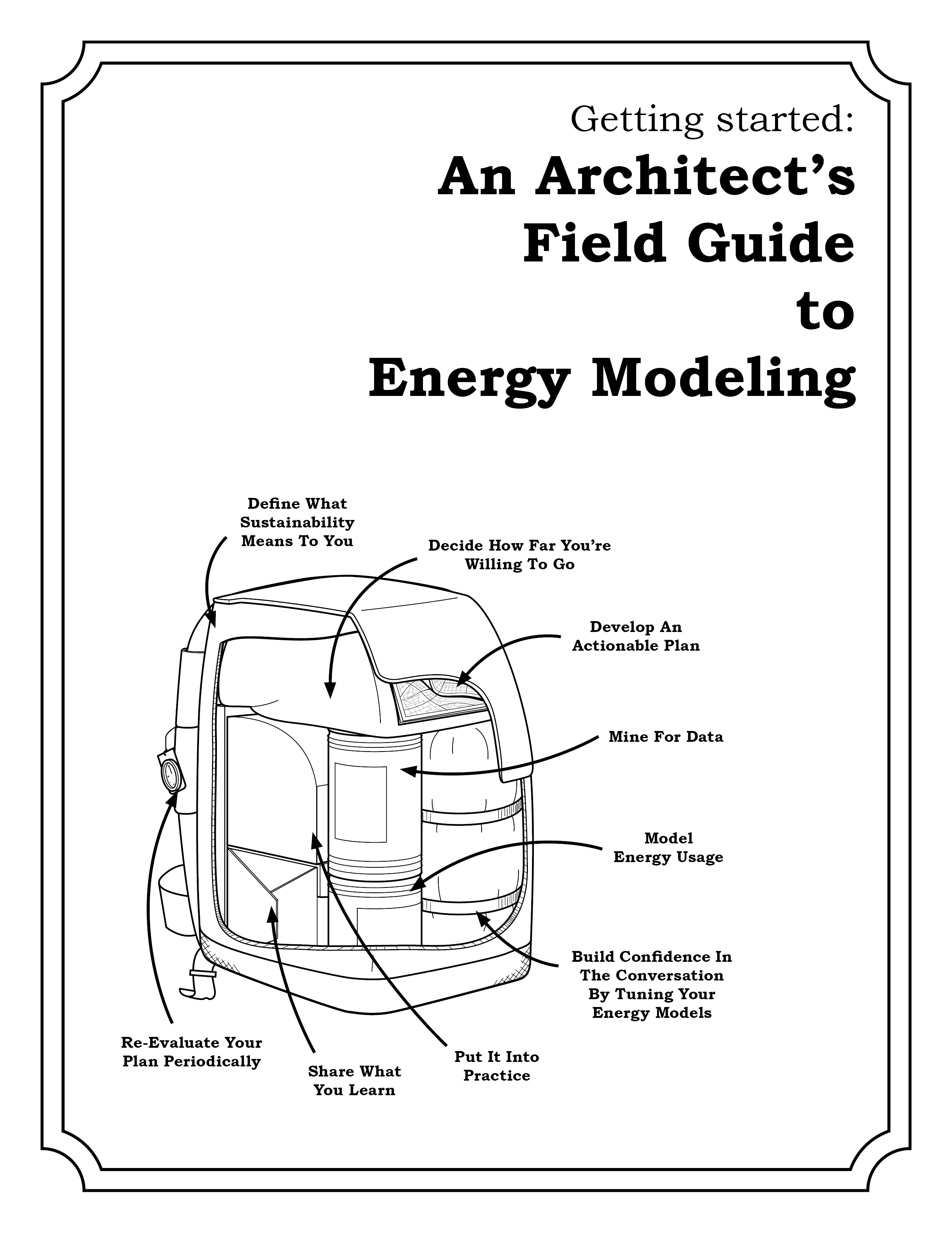
Architects are at the forefront of design decisions that impact energy consumption, yet we are on the tail end of analyzing these decisions.  Reliance on mechanical engineers to inform us of the consequence of our decisions cannot continue if we are going to influence the future sustainability of the built environment. Whether you’re new to projecting and analyzing your projects’ energy usage or a seasoned professional, this guide will help orient you towards achieving your targets. Implementing a consistent approach to energy modeling within your firm is a labor-intensive effort. Before launching, get prepared by packing your bag with the tools you’ll need to be successful.

More »