
It’s one year and counting since the Covid-19 pandemic sent us scurrying from our offices, doors shuttered, colleagues scattered. The emotional toll of the imposed isolation of working-from-home has not yet been measured, but it is real.
More »Arlington National Cemetery’s $85 Million Expansion
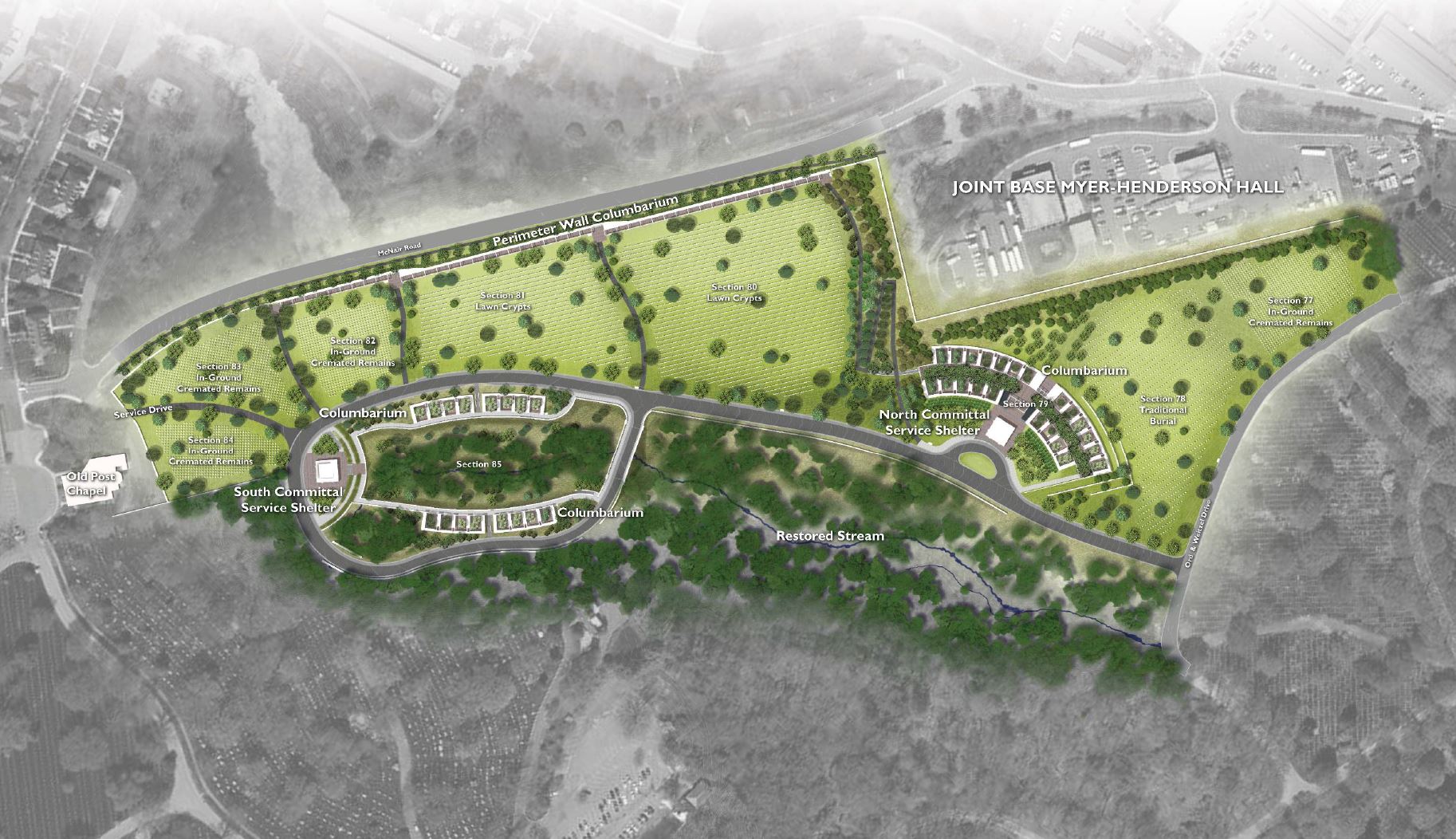
The Arlington National Cemetery Millennium Project is an $85 million initiative to expand the revered burial grounds by 27 acres for an additional 56,000 interments, while also preserving the site’s integrity and tranquility. Jacobs, the cemetery planner and designer, architect and landscape architect designer of record and the engineering designer of record, teamed up with structural engineer Ammann & Whitney (now part of Louis Berger), general contractor Forrester Construction, historic architecture/architectural design consultation, Beyer Blinder Belle Architects & Planners, landscape designer Sasaki Associates, stream restoration and wetland consultant Wetland Studies and Solutions Inc., and surveyor Rice Associates to bring the five-year project to life. The expansion balanced the urgent need for greater capacity with environmental concerns including water management, erosion control, native flora, and viewsheds.
More »Tech Students Kick-start Heritage Park in Radford with Rail Tower
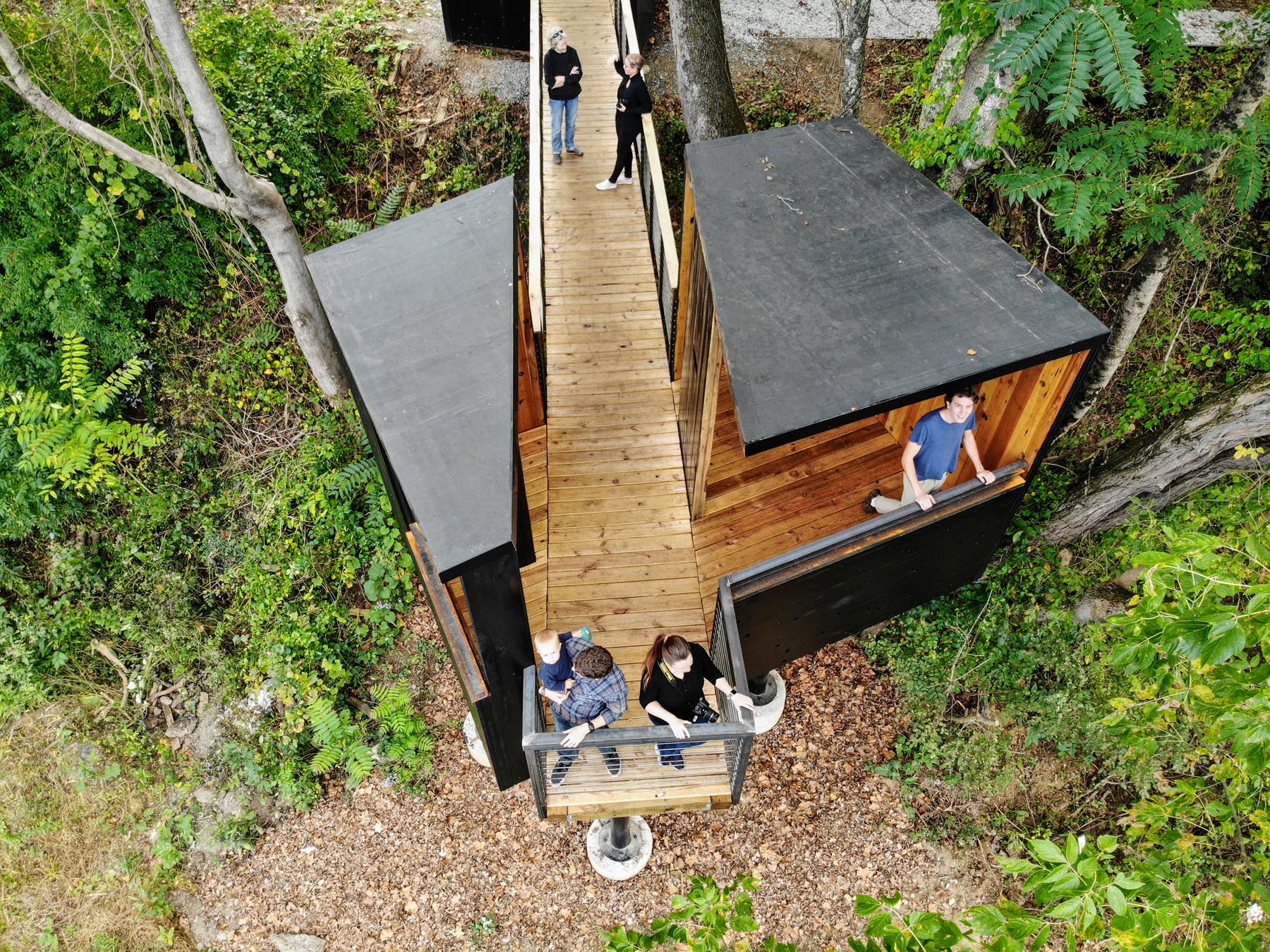
Virginia’s first railroad, connecting Petersburg south of Richmond with Garysburg, North Carolina, on the eastern side of the Commonwealth dates to 1830. That general direction and course would define most of Virginia’s commercial and passenger railroad activity, even as it sprawled into the sizable network of lines today. But the western lines are arguably more beloved for their scenic beauty, and the ones running in the shadow of the Blue Ridge Mountains have been a vital link for communities like Abington, Bristol, and Radford, well beyond the historic end of the line in Lynchburg. Some of them have been transformed, like the Abington Branch of the Norfolk and Western, disused since 1977, which has become the Virginia Creep rail-trail. Others remain active, such as the old line first started by the Virginia and Tennessee Railroad Companies in the 1850s, which still runs through Radford, where Virginia Tech architecture students completed the New River Train Observation Tower in November 2019.
More »Society’s Cage: Architects Use Data to Visualize Systemic Injustice
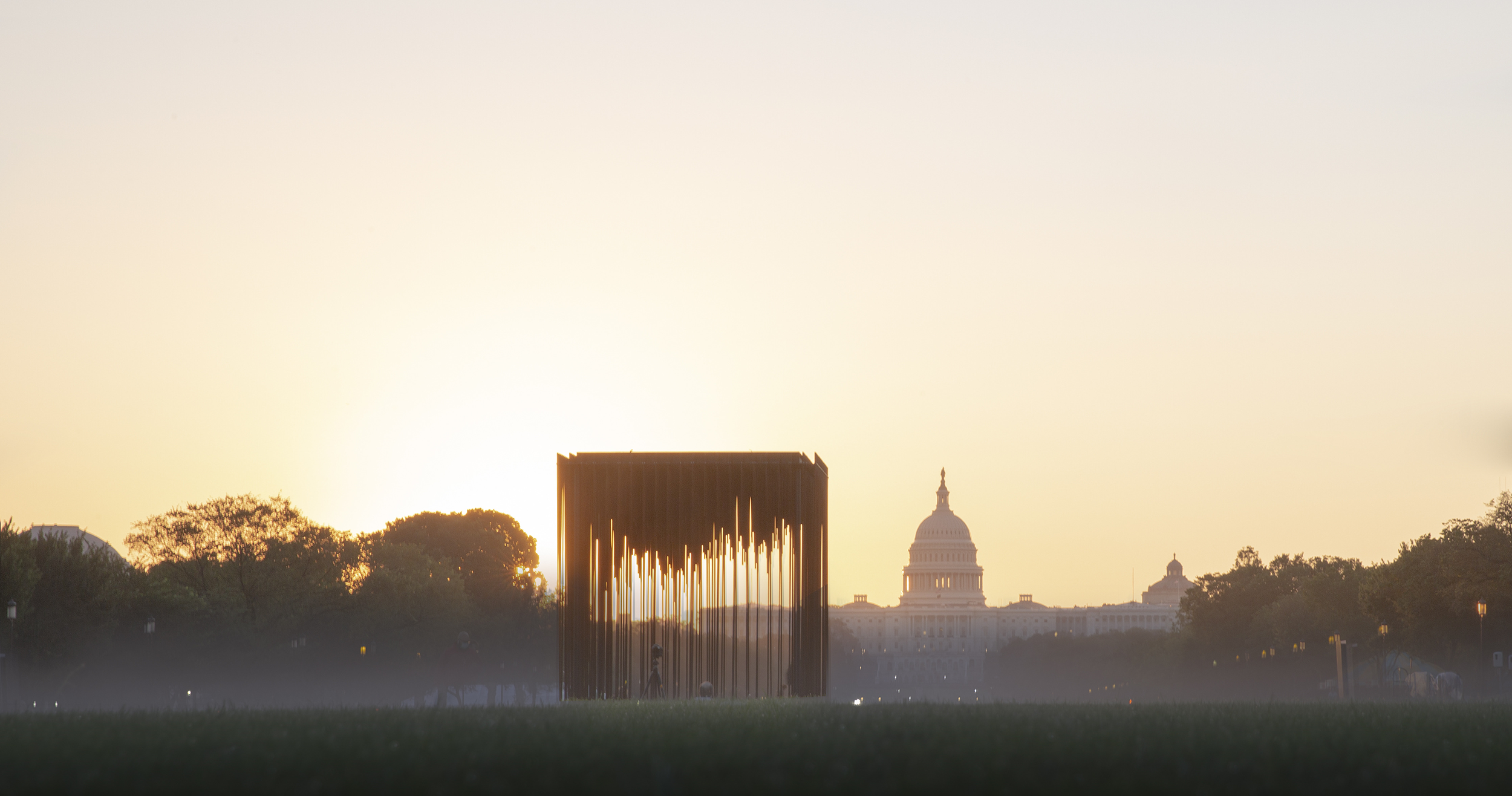
George Floyd and Breonna Taylor’s murders were clarion calls for Dayton Schroeter, AIA, and Julian Arrington at SmithGroup, and their travelling exhibit, “Society’s Cage,” was their response to three related questions: what is the value of Black life, what is the nature of power in this country, and what is the relationship of Black people to power structures in our country? The experience of visiting Society’s Cage centers on entering a 15’x15’ cube comprised of steel rods of varying lengths suspended within a series of rods that form a four-sided curtain. Visitors don’t move through the curtain so much as they contend with it. Our view in, out, or through the cube is fractured, striated, and ultimately governed by an unremitting and unforgiving structure. The metaphor is obvious, and that’s the point. Schroeter and Arrington wanted visitors to its first installment on the National Mall last summer to visualize power and understand how it contorts vision, body, and movement.
More »Restoring a Helical Newel Post
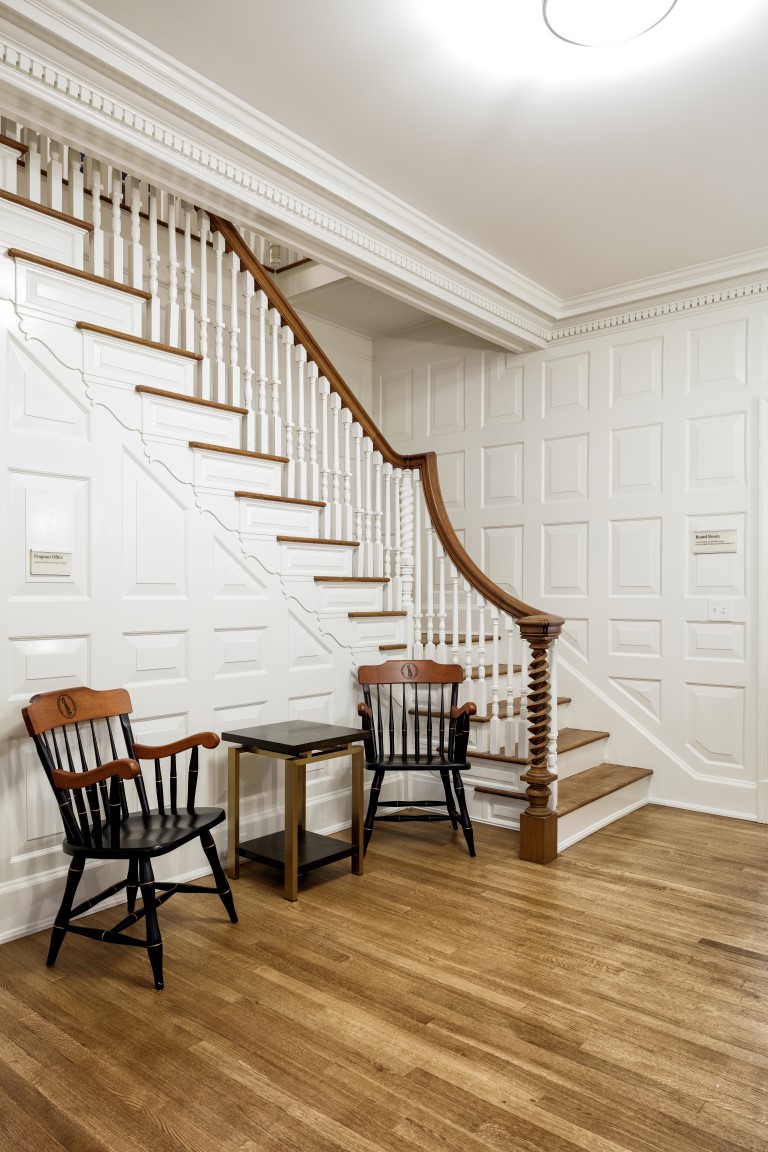
“One recent project found us briefly stumped over a battered ornamental newel post. We did some research and found out a lot more than the building owner expected. Glavé & Holmes Architects’ Project Manager Linda Coile, working with our in-house preservation specialists, was able to turn it into a miniature triumph of sorts.“
More »Energy Retrofits of Existing Buildings: Embodied Opportunity

Energy retrofits of existing structures can reduce the impact of already embodied carbon, create more equitable communities, and stimulate the economy.
More »A New Masque for Shakespeare’s Home
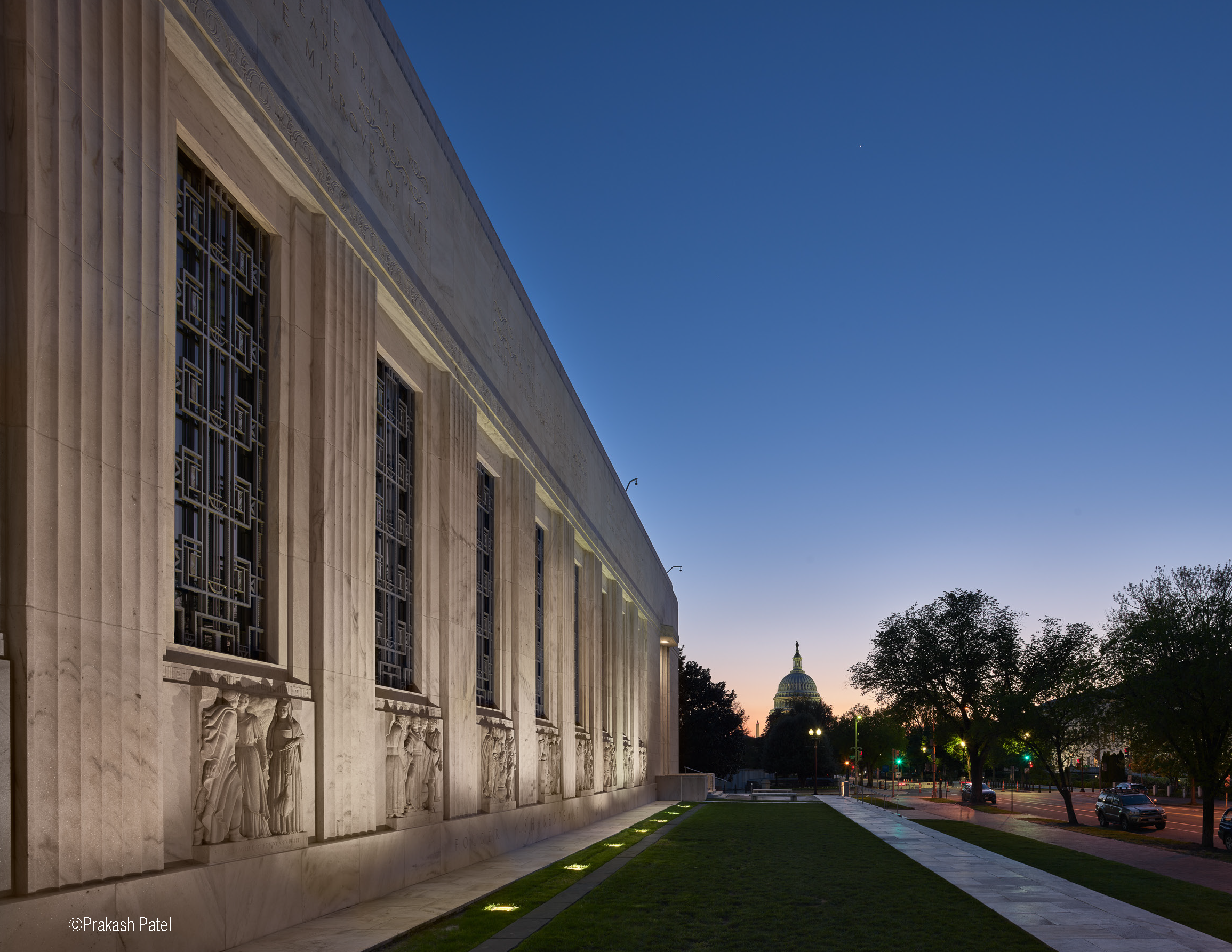
MTFA Architecture’s award-winning conservation work for the Folger Shakespeare Library revealed clues about how similar marble-clad buildings from the WPA-era could be renewed for new generations of visitors.
More »